What we are good at
Sunflower Oil
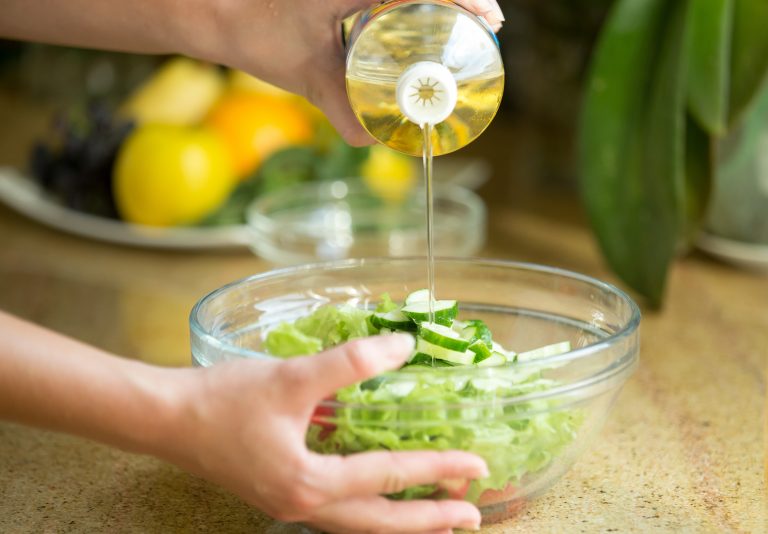
The our sunflower oil is produced from high quality seeds, in which modern technology is used for finer production as it preserves the benefits of the seeds in oil.
The refined sunflower oil goes through a lengthy process; it consists of the following steps: Mechanical Refining, Hydration, Neutralization, Bleaching, Freezing, Deodorization and Nitriding.
The first step of the oil production process is the Mechanical Refining in which solid particles are removed and filtered out from the oil
Hydration is the procedure in which the oil is purified with (70 ° C) water; spraying over the (60 °C) heated oil, simultaneously.
Neutralization is the procedure of removing free fat acids; therefore, the oil won’t get unpleasant smell during the frying process.
The next step is the Bleaching which is treating the oil with special organic substance . As a result, the final product would last longer without adding preservatives.
Freezing is the process of cooling down the oil, solidifying the waxy compounds in the oil which make them easy to be removed through filtration.
Deodorization is processing the oil with the hot dry steam at a temperature of 170-230 ° C . During Deodorization, the oil is exfoliated from harmful organochlorine pesticides and the aromatic substances, which also can lead the product to oxide.
The final stage of refinement is called Nitriding process where the oil is supplied with Nitrogen during the packaging process. Noting that saturating the oil with nitrogen increases its shelf life without adding any preservatives, also it creates a nitrogen layer at the top of the bottled oil which prevents it from absorbing oxygen, namely oxidizes and deforms the bottle.
It has been found that between 33% to 57% sunflower seeds contain oil, and the oil extracted from these seeds is naturally high in polyunsaturated fats (Omega 6) and vitamin E, which are significantly needed in any balanced and healthy diet.
The our refined sunflower oil is proofed to be ideal for frying, it does not change the taste and the aroma of the ingredients. And, it does not foam or smoke. Nonetheless, the refined oil contains a sufficient amount of vitamin E, which resists high temperatures.
- It is a natural source of the multiple saturated Omega 6 fatty acids which can not be produced by our bodies
- Essential fatty acid Omega 6 (Linoleic Acid (LA), is required for the normal growth and development of the children. 10 g of linoleic acid (LA) per day is sufficient to get beneficial effect
- Replacing saturated fats with unsaturated ones helps to maintain the normal blood cholesterol level (the single and multiple saturated fatty acids are saturated fats) High cholesterol level is a risk factor of coronary heart diseases
- It is the natural source of vitamin E which helps protect cells from oxidative stress
Flour
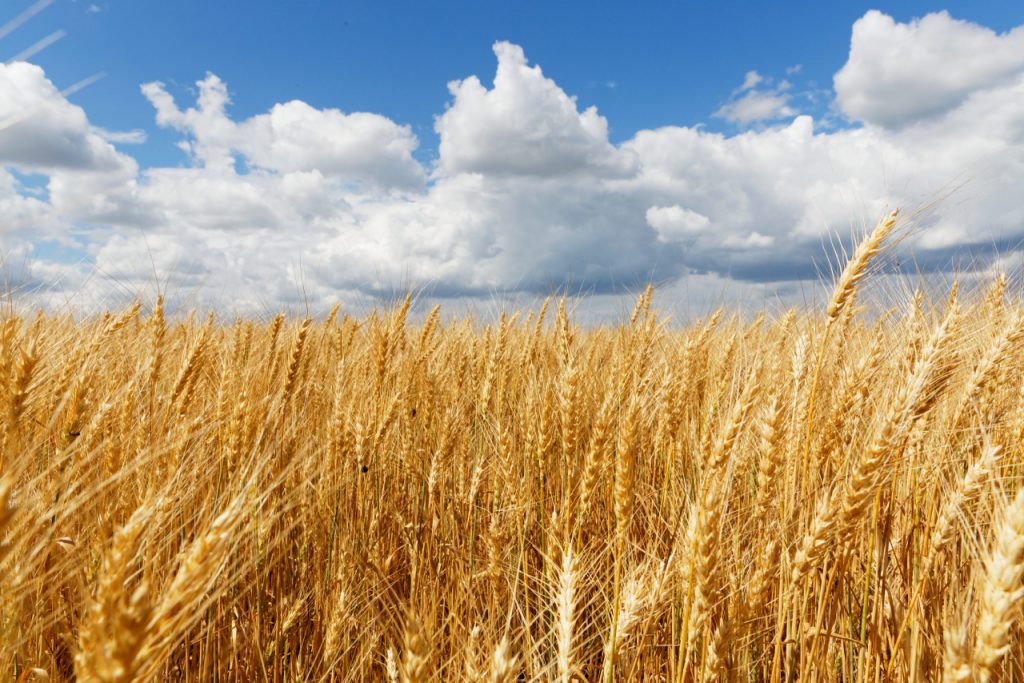
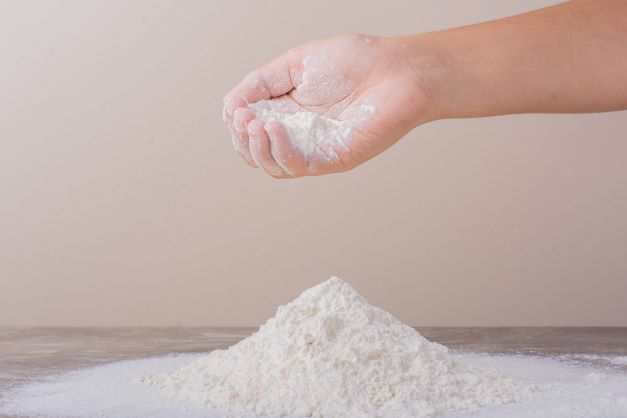
After harvest, the wheat goes to the grain storage and silos. It stays there until the time when it is to be shifted to the mills. After reaching the mills, the wheat is prepared for grinding, where it is cleaned from impurities. Afterwards, wheat goes through shredding and grinding process. when the two main elements of wheat ,the shell and the seeds , are separated. During the grinding, flour, grits and bran can be produced. The flour is the meal of wheat seed, the bran is the remaining part from the flour after sifting, and the grief is a rough part of the wheat.
What will make the fine flour fine?
Classification of the wheat meal by grain size is done by sifting, which is the penultimate step of the mills operations, this is only followed by measuring the wheat into the grain bags and paper bags.
Practically, each packaging of the fine flour identified by some numbers and letters . But what do these numbers and letters indicate? The letter B is the wheat, whereas the letter L is flour, it indicates the (tiny grain) type of the product. And the numbers shows the ash content of the product. As the number goes higher , it means the content of the bran is more, ie of fiber in the flour. According to the Hungarian Foodbook, BL55 flour, ash content can be up to 0.60 % mass percentage, which is a quiet low number.
Each 100 gram of the fine flour contains 320-350 kea energy and 68-72 grams of carbohydrates, ie starch. It also has a significant amount of protein, per each ten dekagram 9-10 grams , with 2-3 grams of fiber.
Fine flour plays essential role in our households, wheat flour and food produced from it are very important for our daily diet
Crystal sugar
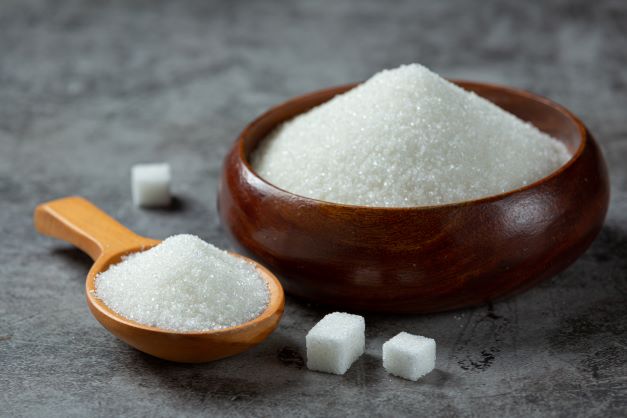
Refined crystal sugar made from the juice of sugary beet.
Due to the feature of easy dissolving, the sugar fine crystal grains is considered excellent for sweetening cold and hot beverages. Its great solubility is convenient for housewives during baking and cooking.
The essence of sugar production is simple.
The beets are sliced up, the sugar is removed from its cells with warm water. The sugar juice is thickened and through crystallising the sugar is extracted. The water is an important filling material in this process, since it plays a role as a material supplier, it helps to release the sugar. By adjusting its temperature, it works as energy carrier and energy mediator, too.
Generally, the melting point of the sugar is around 180 ⁰ C; however, at the presence of impurity and moist, or due to slow heating, this number can significantly be lower. Heated for a longer period of time to 100-180 ⁰ C, the sugar starts to break down and it gets the brown colour, or even darker (caramel formation). Caramelization is accelerated in the presence of certain substances; in a wet solution, it is already noticeable at around 80 ⁰ C.
It is a well-known fact that sugar dissolves (slowly) in the water; In heat, solubility increases quickly. A small amount of extraneous substances reduces, but higher quantity significantly increases its solubility(waste formation).